How to Protect Your Home From Bats
Understanding the need to protect your home from bats is crucial for maintaining a safe and sanitary environment. While bats are beneficial to ecosystems, they can become problematic when they enter domestic spaces. This article provides comprehensive guidance on safeguarding your home from these nocturnal visitors. By learning about bat behavior, implementing preventive measures, and employing wildlife removal techniques when necessary, homeowners can manage their properties effectively.
Understanding Bat Behavior and Entry Points
Recognizing how bats interact with your home is the first step in prevention. Knowing their habits, preferred entry points, and seasonal patterns helps you take proactive measures and establish stronger long-term protection.
Identifying Common Entry Points
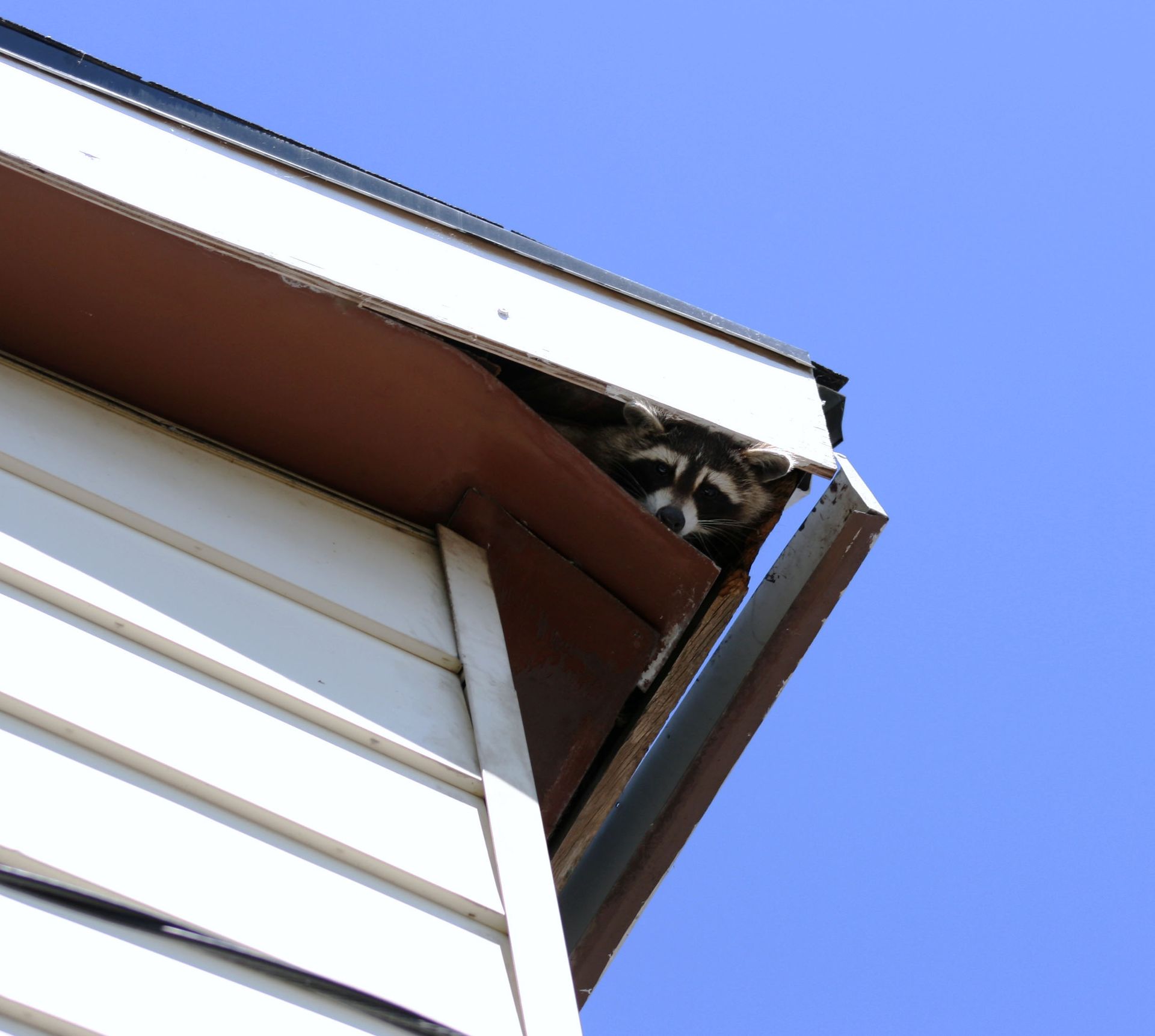
Bats often enter homes through small openings in roofs, walls, or around chimneys, sometimes smaller than a half-inch. Conducting thorough inspections to identify these vulnerabilities is essential. Spaces between bricks, gaps around vents, or holes created by other animals can all serve as entrances. Addressing these vulnerabilities early is a critical step in wildlife removal and bat prevention, ultimately helping reduce future structural issues.
Understanding Bat Roosting Habits
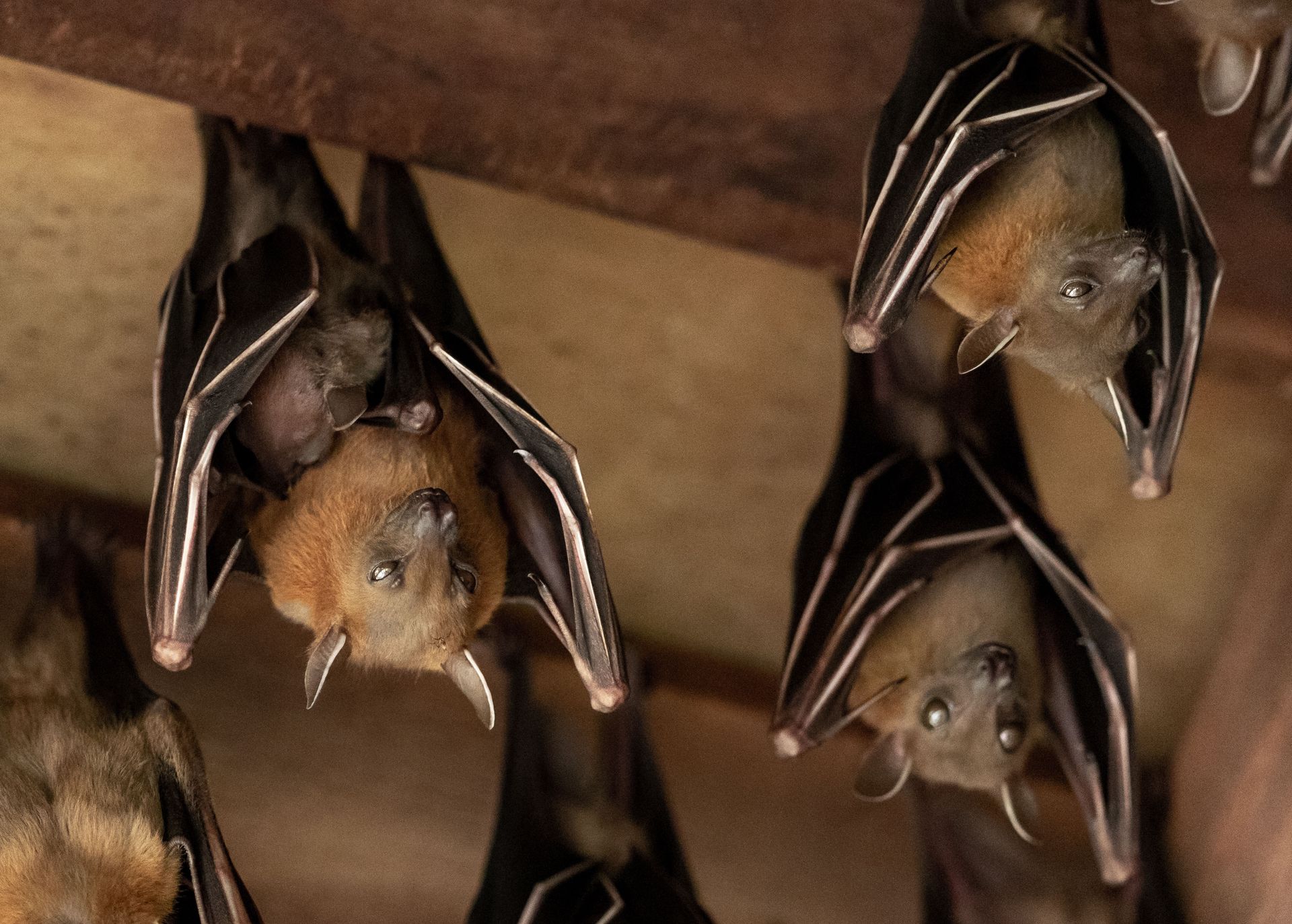
Bats prefer quiet, dark places such as attics, sheds, or barns. Understanding these roosting preferences allows homeowners to identify why bats are attracted to their properties. Securing these areas reduces the likelihood of infestation while respecting the ecological importance of bats and maintaining the integrity of your home.
Recognizing Seasonal Bat Patterns
Bats’ activity levels shift with the seasons, which affects when they may enter homes. Spring, during emergence from hibernation, is critical for implementing preventive measures. Summer and fall bring increased activity due to feeding and breeding cycles. Timing interventions with these patterns is an effective strategy for wildlife removal and property protection, especially in regions with large bat populations.
Identifying Signs of Bat Presence
Signs of bats include droppings, greasy marks around entry points, and squeaking noises. Prompt recognition allows for early intervention. Bats can also pose health risks, including rabies transmission. According to the CDC, exposure to rabid bats is the leading cause of rabies in humans in the U.S., accounting for 70% of people who become infected. Proper wildlife removal and preventive measures are key to reducing these risks and maintaining a safe environment.
Addressing Misconceptions About Bats
Bats are often misunderstood, with myths exaggerating risks and behaviors. Not all bats carry rabies, and they rarely engage with humans directly. Understanding their actual behavior promotes humane wildlife removal and coexistence strategies, encouraging more responsible approaches to dealing with infestations.
Securing Your Home Against Bats
Effective bat prevention requires sealing entry points, installing deterrents, and maintaining your property. These steps are essential for long-term control and help ensure your home remains protected throughout the year.
Sealing Potential Entry Points
Use caulk, steel wool, and other materials to close gaps around windows, vents, and chimneys. Avoid foam that bats can chew through. Sealing entry points is the foundation of any wildlife removal strategy and prevents recurring issues that might otherwise go unnoticed.
Installing Bat-Proof Vent Covers
Specialized covers over vents and chimneys allow airflow while keeping bats out. These devices are easy to install and integrate seamlessly into home systems. Vent covers are an important step in long-term wildlife removal planning and help maintain proper ventilation.
Trimming Trees and Vegetation
Overhanging branches provide bats with access to roofs. Regularly trimming trees and managing vegetation reduces this risk while enhancing property aesthetics. This simple maintenance task works well alongside other preventive measures.
Using Netting to Prevent Entry
Exclusion netting allows bats to exit while preventing re-entry. Proper installation ensures bats are not trapped, making this method safe and effective for wildlife removal. Regularly checking the netting ensures it continues to perform as intended.
Strategic Use of Lighting
Bats are sensitive to light and often avoid well-lit areas. Motion-activated lights near common entry points can deter bats, supplementing other preventive methods. Thoughtfully placed lighting can also enhance home security.
Safe Bat Removal Techniques
Removing bats safely requires knowledge of laws, humane methods, and sometimes professional intervention. Ensuring safety throughout the process protects both your household and the bats themselves.
Understanding Legal Considerations and Permits
Many bats are protected species. Removal may require permits and compliance with local regulations. Consulting authorities ensures wildlife removal is legal and ethical and avoids possible penalties.
Hiring Professional Wildlife Removal Services
Professional pest control or wildlife removal experts can safely remove bats without harming them. These services provide advice on prevention and long-term management, ensuring compliance with laws and minimizing risk to humans. Their experience often leads to quicker resolution.
DIY Bat Exclusion Methods
For homeowners willing to take action themselves, DIY exclusion methods include identifying entry points, installing one-way devices, and sealing sites once bats have left. Careful monitoring is required to prevent harm and ensure every bat exits safely.
Humane Bat Eviction Strategies
Humane techniques, such as one-way exclusion devices, allow bats to leave voluntarily. Timing removals outside of maternity season avoids separating mothers from pups. These strategies prioritize ecological balance while protecting your home, ensuring minimal disruption.
Monitoring and Follow-Up
Regular inspections of sealed points ensure long-term effectiveness. Checking for new entry points and signs of bat activity supports ongoing wildlife removal efforts and prevents future infestations.
Repellents and Deterrents
Various deterrents can reduce bat activity, including natural, commercial, and electronic methods. Integrating multiple approaches increases success rates and strengthens your overall prevention plan.
Natural Bat Repellents
Peppermint oil and essential oils can deter bats from roosting areas. Applied strategically, these natural options are safe and environmentally friendly, making them a popular choice among homeowners.
Commercial Bat Repellent Products
Sprays, granules, and ultrasonic devices offer additional deterrence. Combining these with other preventive measures strengthens wildlife removal efforts and improves your home’s overall defense.
Strategic Landscaping
Open spaces and limited dense vegetation make properties less appealing to bats. Avoid planting fruit-bearing trees near homes, as they attract bats searching for food and shelter.
Combining Multiple Deterrent Techniques
Integrating natural, commercial, and electronic deterrents improves effectiveness. A comprehensive approach maximizes bat exclusion and reduces the need for repeated interventions in wildlife removal.
The Role of Bats in the Ecosystem
While protecting homes is essential, bats serve critical ecological roles. Understanding these roles encourages humane wildlife removal practices and enhances appreciation for their contributions.
Positive Ecological Impact
Bats control insect populations and aid pollination, benefiting agriculture and local ecosystems. Maintaining their ecological role is vital for environmental health and long-term biodiversity.
Dispelling Fear and Misunderstanding
Misconceptions often exaggerate the dangers of bats. Education helps homeowners adopt safe wildlife removal strategies without unnecessary fear and promotes more informed decision-making.
Conservation Efforts
Protecting bat habitats supports biodiversity. Wildlife removal strategies should minimize harm while addressing home infestations responsibly and sustainably.
Balancing Home Protection and Ecological Responsibility
Effective bat prevention combines humane exclusion with respect for their ecological importance. Responsible wildlife removal preserves both human safety and environmental balance, allowing both communities and wildlife to thrive.
Preventing Future Infestations
Long-term prevention involves inspections, maintaining exclusion measures, training household members, and staying informed on bat behavior changes.
Routine Home Inspections
Regular inspections identify potential entry points before they become major problems. Early detection supports effective wildlife removal and prevention and saves homeowners time and money.
Maintaining Exclusion Measures
Repairing damaged netting, vent covers, and sealing materials ensures continued protection against bats. Routine upkeep reinforces your home’s defenses.
Training Household Members
Educating family members to recognize signs of bats reinforces prevention and wildlife removal efforts throughout the household and encourages proactive awareness.
Community-Wide Initiatives
Collaborating with neighbors on bat management strengthens overall neighborhood safety and supports broader wildlife removal strategies that benefit everyone.
Adapting to Changes in Bat Behavior
Monitoring research and environmental shifts allows homeowners to adjust strategies proactively, ensuring effective wildlife removal over time and helping communities stay prepared for seasonal changes.
Protecting your home from bats requires understanding their behavior, securing your property, and using humane wildlife removal strategies. By combining preventive measures with professional guidance when needed, homeowners can maintain safe living spaces while respecting bats’ ecological importance. Proactive measures prevent health risks, property damage, and repeated infestations. For reliable and expert wildlife removal services, contact Nuisance Animal Removal to safeguard your home today.


Share On: