Most Common Animals Encountered during Wildlife Removal Services
Wild animals play important roles in maintaining healthy ecosystems, but their presence around residential and commercial properties can create unexpected challenges. From scratching noises in attics to damaged insulation and disturbed landscaping, unwanted animal activity can affect property safety, comfort, and structural integrity. Understanding which animals commonly enter buildings helps property owners recognize potential concerns before extensive damage develops.
Professional wildlife removal services address these situations by identifying the animals involved, evaluating their behavior, and determining appropriate removal strategies. Different species require different approaches because their nesting habits, movement patterns, and potential health risks vary considerably. Learning about common nuisance animals can help property owners understand why timely professional attention matters.
Identifying Common Raccoon Problems
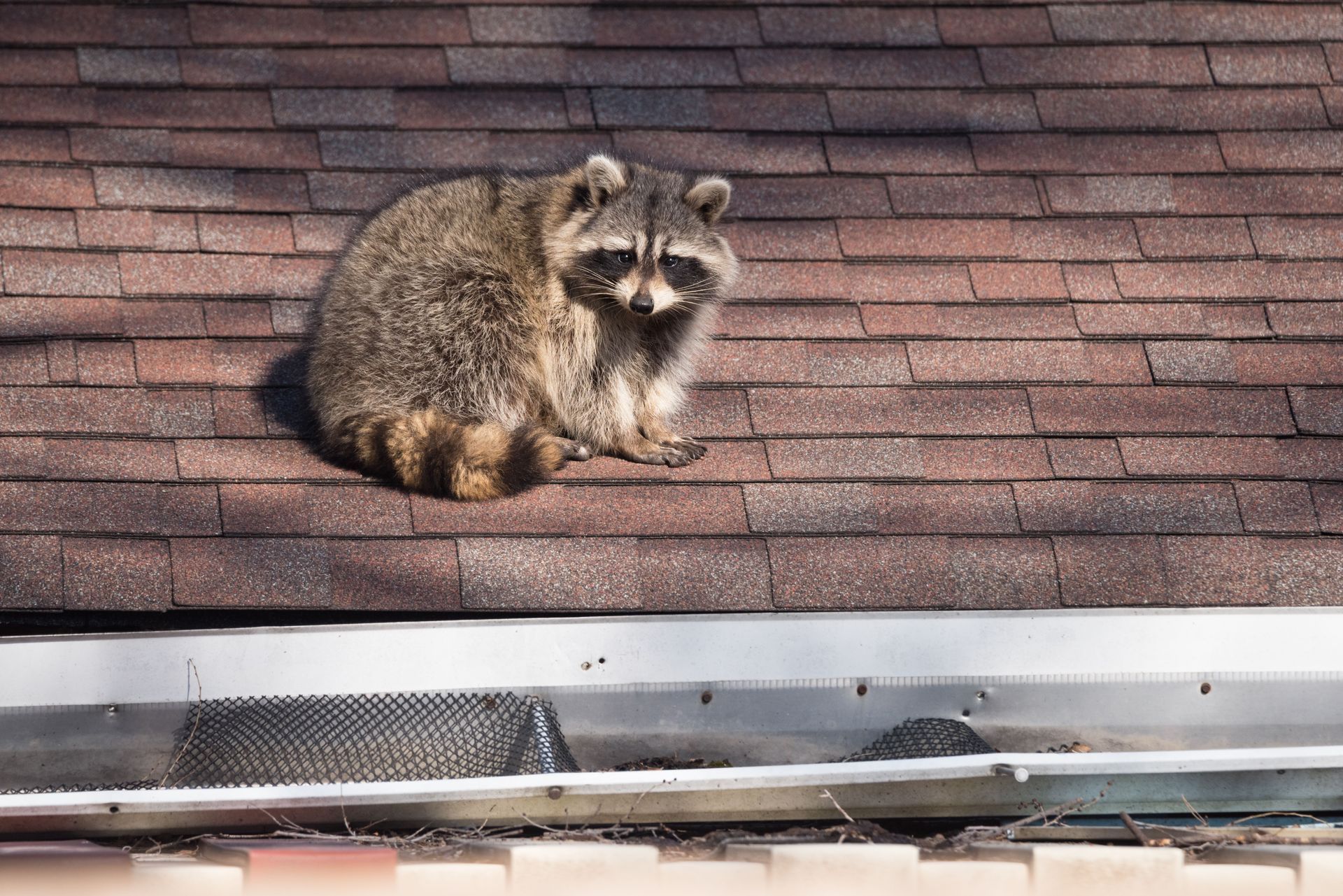
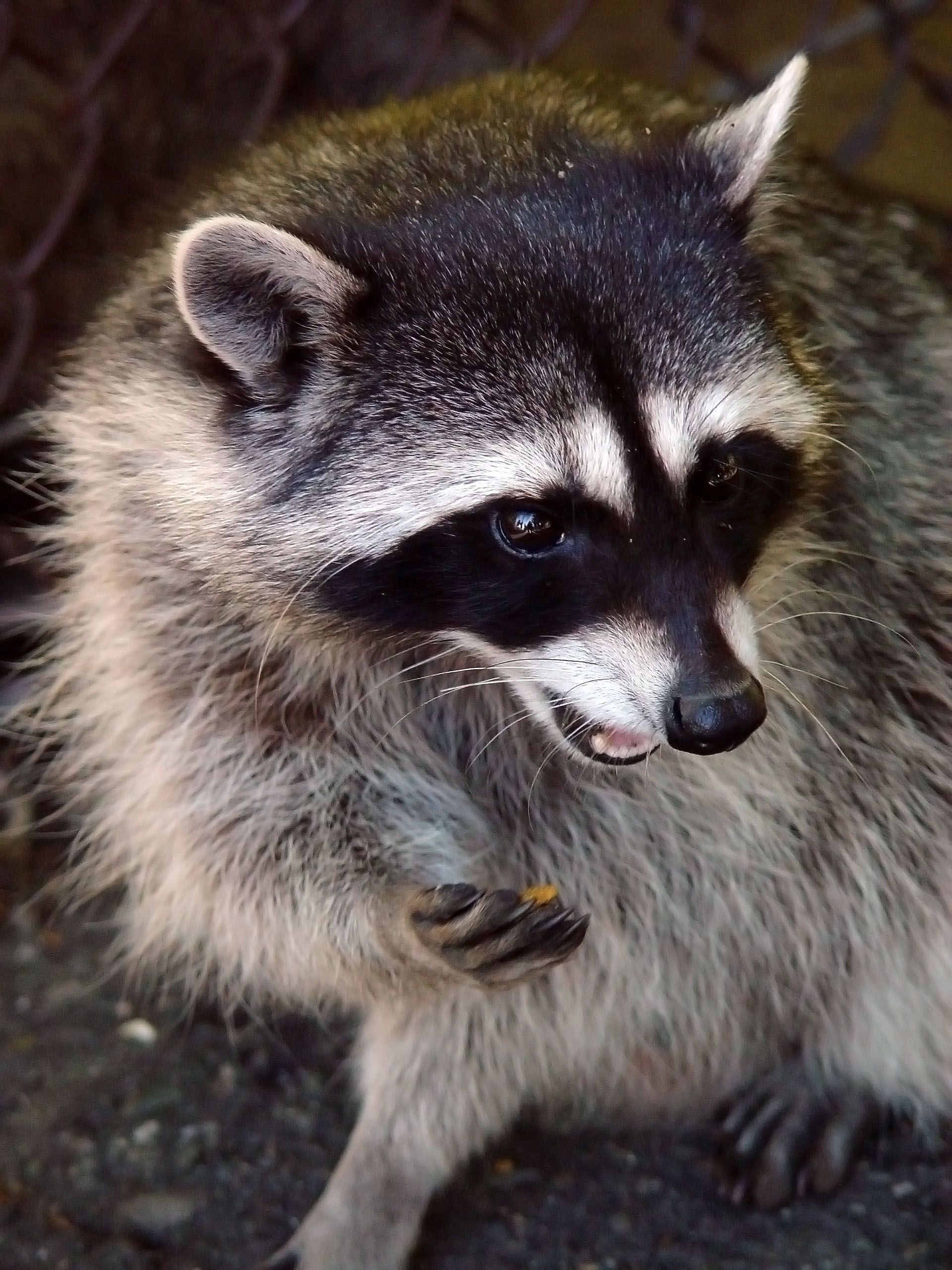
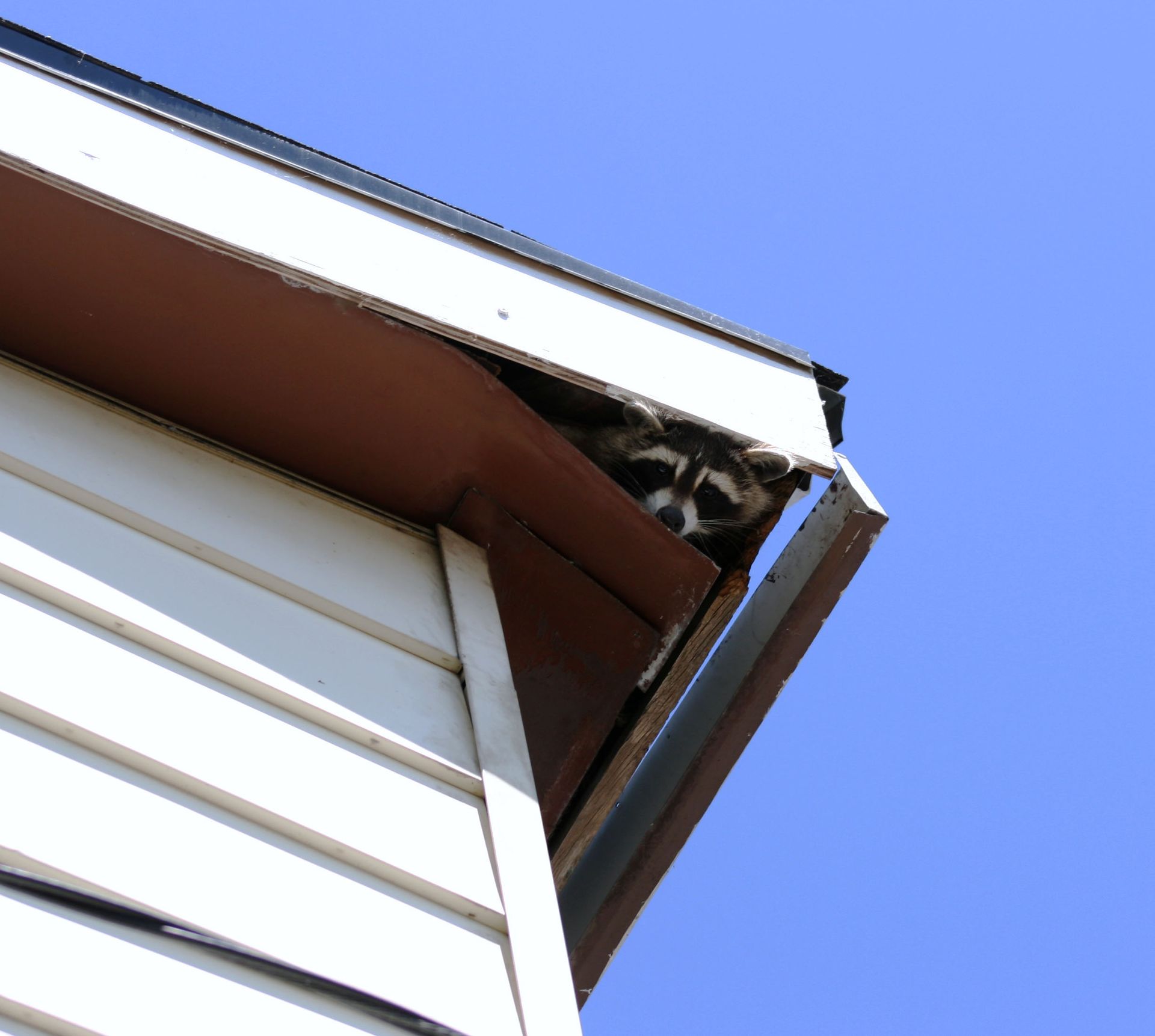
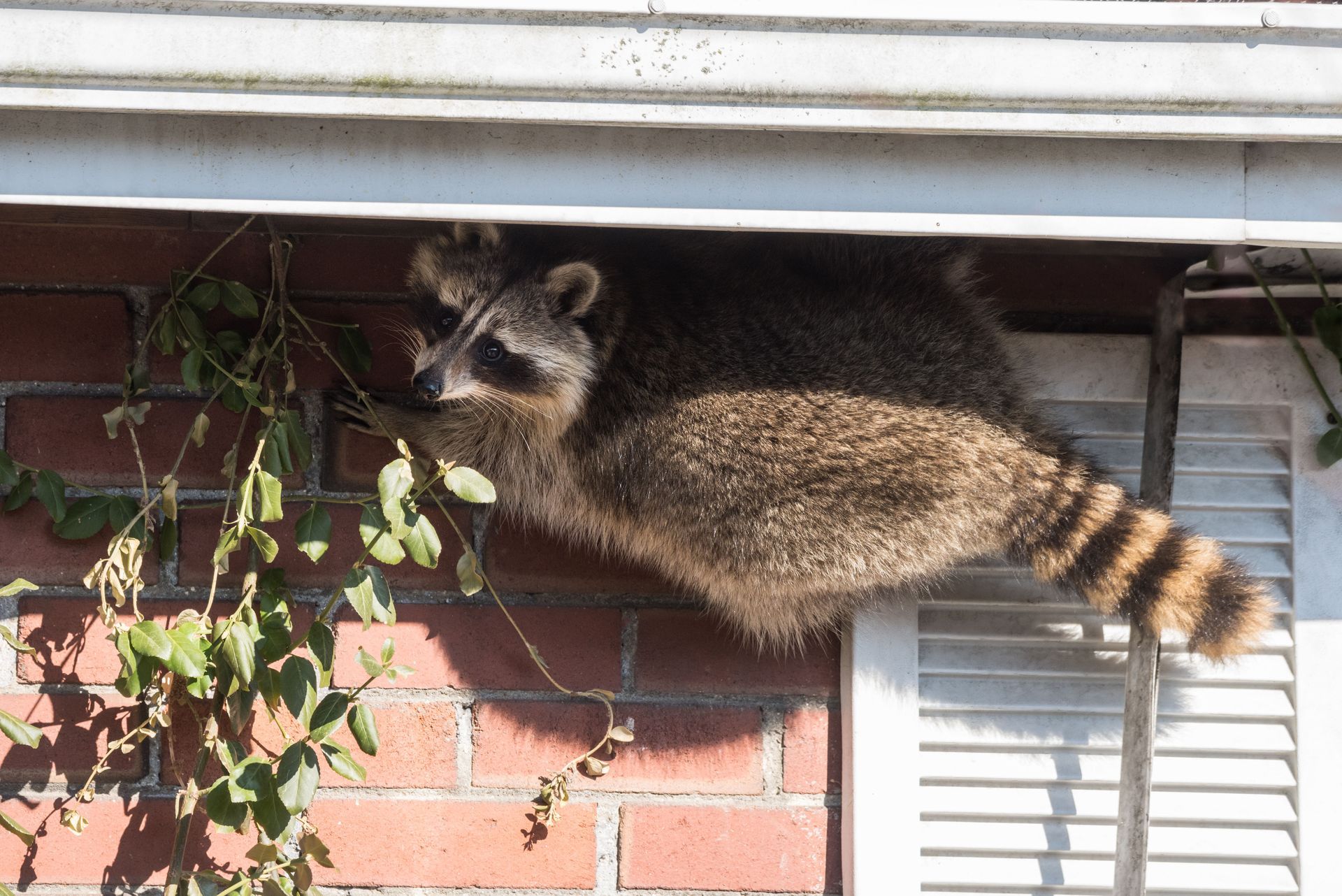
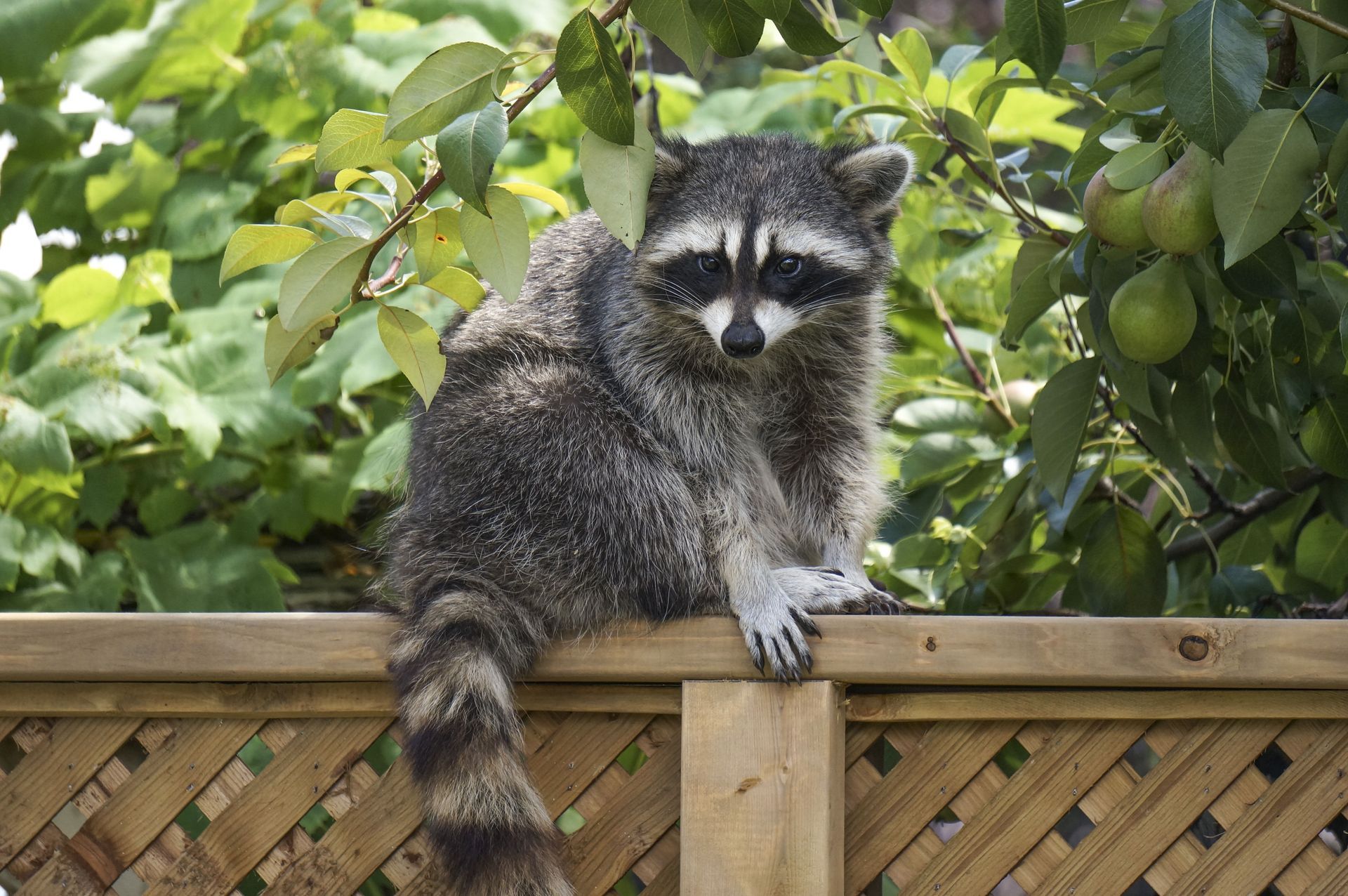
Raccoons are among the most recognizable animals found around residential neighborhoods. Their adaptability allows them to thrive near human populations, where accessible food, water, and shelter provide attractive living conditions. Although raccoons generally avoid direct interaction with people, they sometimes establish dens inside attics, chimneys, sheds, and other sheltered areas.
Raccoons may carry parasites and diseases that make direct contact potentially hazardous. Professional wildlife removal services help address these concerns while accounting for the animals’ natural behaviors and possible offspring. Proper identification is especially important because removing an adult without considering dependent young can create additional complications within the property.
Identifying Common Squirrel Problems
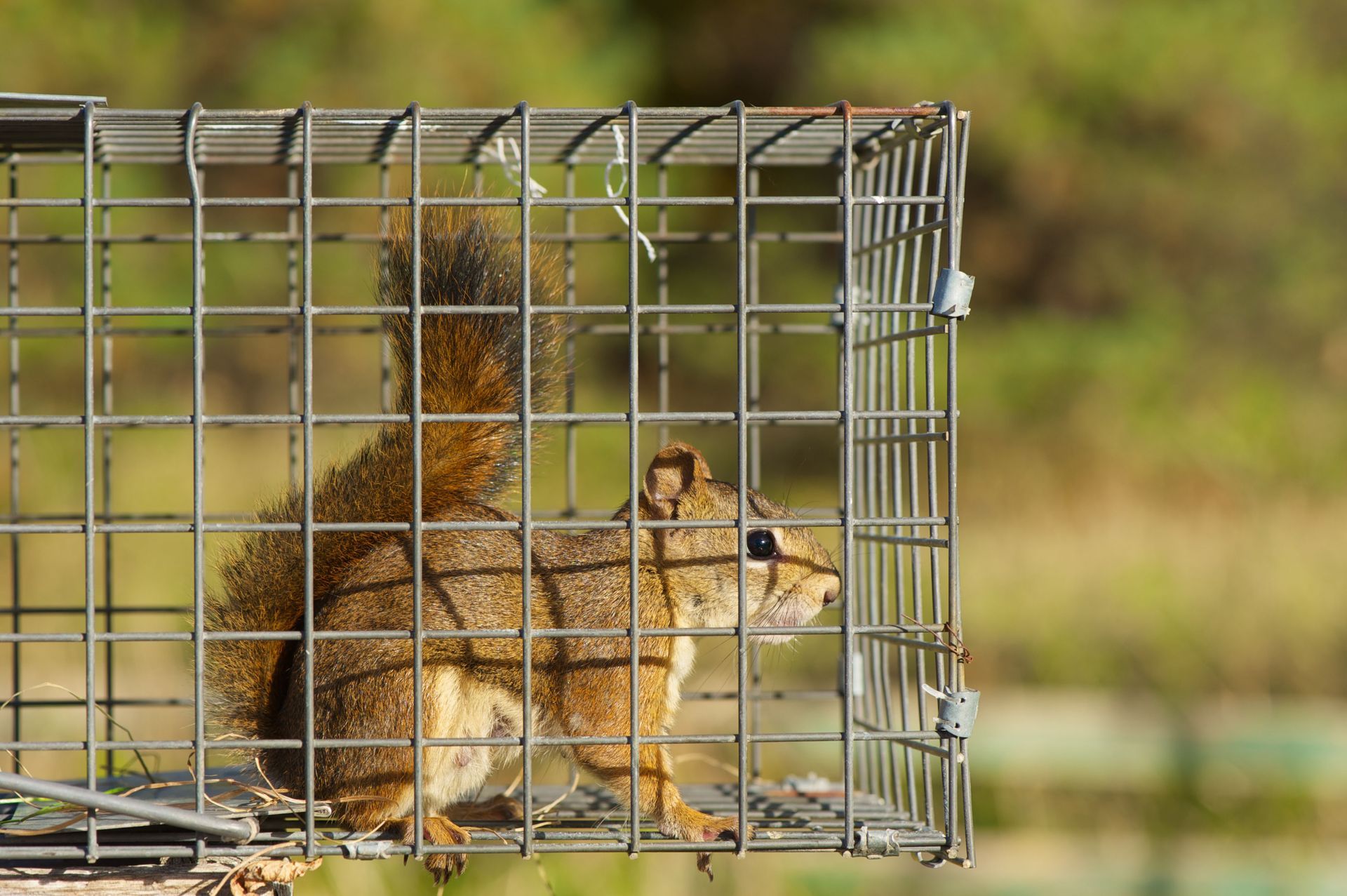
Squirrels frequently inhabit wooded neighborhoods and suburban communities where mature trees provide convenient access to rooftops. Although these animals appear relatively harmless outdoors, they can become troublesome when they enter attics, wall cavities, or other structural spaces.
Their strong teeth continuously grow, encouraging frequent gnawing that can damage wooden surfaces, insulation, and vulnerable electrical components. Chewed wiring may create serious safety concerns, while nesting materials can obstruct ventilation and contribute to moisture accumulation. Property owners may notice rapid scratching sounds during daylight hours, particularly around rooflines and overhead spaces.
Squirrels also reproduce inside sheltered locations, making the presence of nesting young an important consideration. Wildlife removal services can identify entry points and evaluate whether animals have established an active nesting site. Understanding the full extent of their activity helps professionals recommend solutions that address existing occupants and reduce opportunities for repeated intrusions.
Identifying Common Bat Problems
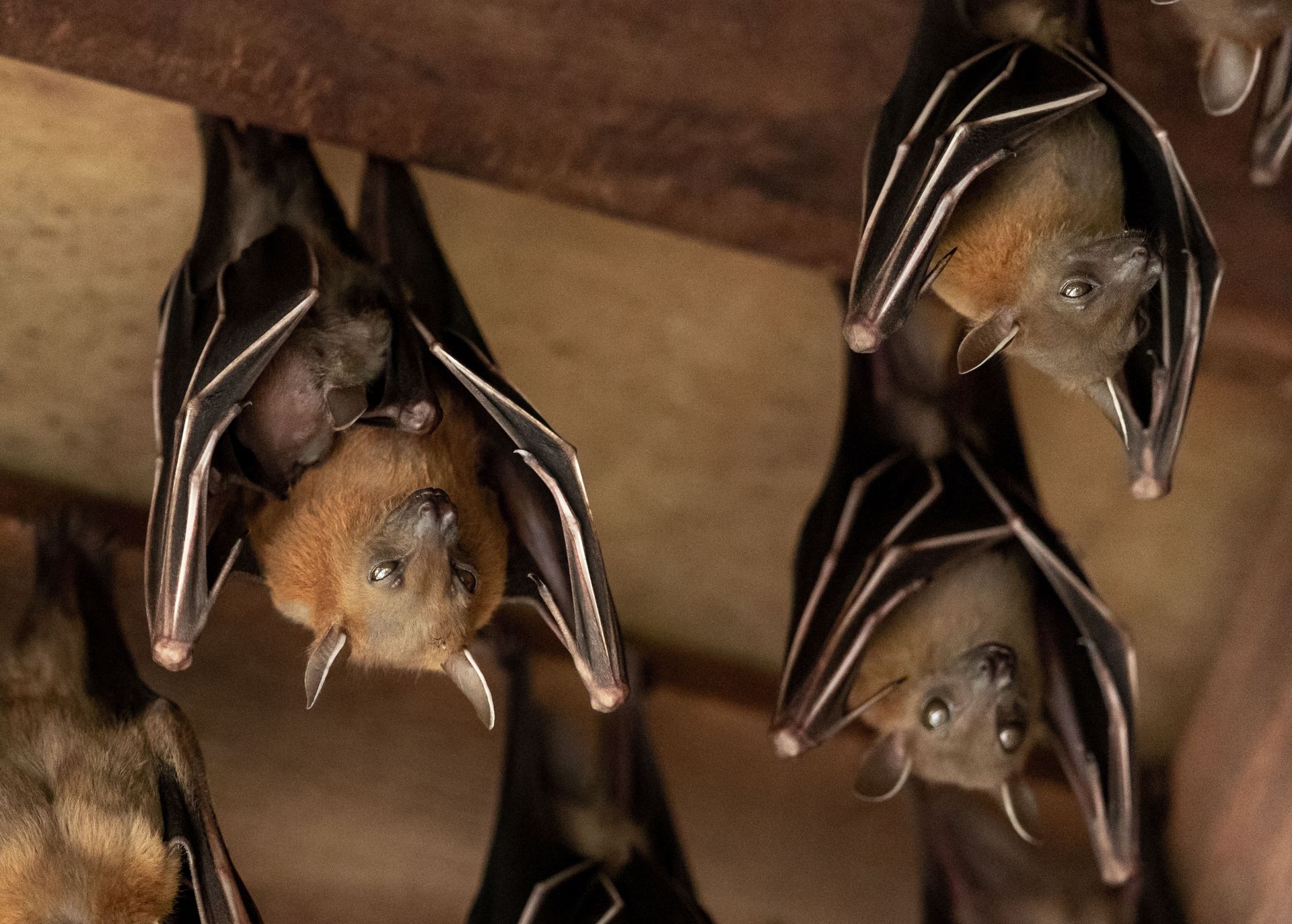
Bats provide valuable environmental benefits by consuming flying insects, yet their presence inside buildings requires careful attention. These animals often seek quiet, elevated shelter in attics, roof spaces, and narrow structural gaps. Their ability to enter through relatively small openings makes certain buildings particularly vulnerable.
Unlike larger nuisance animals, bats may remain unnoticed until occupants discover unusual sounds, staining near roof openings, or accumulations of droppings. Over time, substantial waste deposits can create unpleasant odors and contribute to unsanitary conditions. Disturbing accumulated material can also present respiratory concerns under certain circumstances.
Another important consideration involves the possibility of rabies exposure. Although most bats do not carry rabies, direct contact should be avoided, and potential exposure warrants prompt guidance from appropriate health professionals.
Professional wildlife removal services account for seasonal activity, maternity periods, and applicable wildlife protections. Because bats are ecologically beneficial and may be legally protected, humane exclusion methods and appropriate timing are essential considerations when resolving an infestation.
Identifying Common Rodent Problems
Mice and rats are particularly concerning because their small size allows them to access spaces that larger animals cannot enter. These rodents commonly seek warmth, food, and nesting materials inside homes, garages, storage areas, and commercial buildings.
Their activity may become apparent through droppings, gnaw marks, damaged food packaging, or scratching sounds behind walls. Rodents reproduce rapidly under favorable conditions, which means an initially minor intrusion can develop into a larger infestation. Their ability to travel through concealed structural spaces also makes identifying the complete problem challenging.
Rodents can contaminate stored food and interior surfaces while damaging insulation and electrical wiring. Their presence may also attract predators or create unpleasant odors in enclosed areas.
Cost considerations sometimes influence decisions about professional assistance. According to Home Advisor, professional rodent removal generally costs between $175 and $550, with pricing influenced by infestation accessibility and the number of animals present.
Experienced wildlife removal services evaluate these conditions to determine the extent of rodent activity and identify factors contributing to the intrusion. Professional assessment helps distinguish isolated sightings from established infestations that require more comprehensive attention.
Identifying Common Opossum Problems
Opossums frequently wander through residential areas while searching for food and temporary shelter. These nocturnal animals are opportunistic feeders, consuming insects, fallen fruit, discarded food, and other readily available resources.
Although opossums generally avoid confrontation, they occasionally settle beneath decks, inside crawl spaces, or under outdoor structures. Their presence may become noticeable through nighttime movement, disturbed trash, or unusual odors near sheltered areas.
Opossums rarely cause the same extensive structural damage associated with persistent gnawing animals. However, nesting activity and accumulated waste can still create sanitation concerns. Their defensive behaviors, including hissing or appearing motionless when threatened, may also surprise property occupants.
Wildlife removal services can determine whether an opossum is temporarily passing through or has established a recurring shelter location. This distinction matters because unnecessary intervention may be avoidable when an animal is simply traveling through the surrounding environment.
Identifying Common Skunk Problems
Skunks are easily recognized by their distinctive coloring and powerful defensive spray. They typically prefer ground-level shelter and may establish dens beneath porches, decks, sheds, or other structures that protect from predators and harsh weather.
Property owners often discover skunk activity after noticing persistent odors or small excavations throughout landscaped areas. Skunks naturally search for insects and grubs beneath the soil, sometimes disturbing lawns and garden beds in the process.
Although skunks generally spray only when threatened, unexpected encounters can create unpleasant situations for residents and pets. They can also carry diseases, making direct handling inappropriate.
Professional wildlife removal services consider den locations, animal behavior, and the possible presence of young before selecting an appropriate response. Careful evaluation reduces unnecessary disturbance while addressing conditions that make the property attractive to nuisance animals.
Identifying Common Bird Problems
Certain bird species occasionally create property concerns when they establish nests inside vents, chimneys, roof openings, or other structural features. While most outdoor bird activity is harmless, nesting in unsuitable locations may interfere with ventilation and building maintenance.
Accumulated nesting materials can obstruct airflow, while droppings may damage exterior surfaces and contribute to sanitation problems. Birds repeatedly returning to protected openings can also create persistent noise and maintenance challenges.
Bird management requires particular attention to species identification because many native birds, their nests, and their eggs receive legal protection. Appropriate responses depend on the species, nesting status, and applicable regulations.
Property owners benefit from professional guidance when bird activity affects essential building systems. Understanding whether a nest is active and legally protected helps ensure that any proposed intervention respects wildlife conservation requirements.
Understanding Common Wildlife Prevention Needs
Although nuisance animals differ in appearance and behavior, many enter properties for similar reasons. Accessible food sources, protected nesting locations, and vulnerable structural openings can make buildings attractive alternatives to natural habitats.
Recognizing these conditions provides valuable context when evaluating recurring animal activity. However, effective prevention depends on understanding the particular species involved rather than assuming every intrusion has the same cause.
Professional assessments may reveal damaged exterior materials, overlooked access points, or environmental features that encourage repeated visits. Addressing these contributing factors is important because removing existing animals does not automatically prevent future encounters.
Choosing Professional Wildlife Assistance
Unwanted wildlife activity can range from occasional outdoor sightings to established infestations that threaten building materials and interior sanitation. Raccoons, squirrels, bats, rodents, opossums, skunks, and birds each present distinct challenges requiring informed evaluation.
Professional assistance helps property owners distinguish normal animal behavior from situations involving structural damage, health concerns, or persistent nesting activity. Humane practices, appropriate identification, and attention to wildlife regulations support responsible solutions that protect both occupants and animals.
Contacting Experienced Wildlife Removal Professionals
When unwanted animals threaten your property, Nuisance Animal Removal can help you understand the situation and explore appropriate solutions. We evaluate nuisance animal activity, identify potential concerns, and recommend responsible approaches based on your property’s needs. Contact us today to learn how our team can help restore comfort and confidence in your living or working environment.

Share On: